नई दिल्ली | दिसंबर 2025
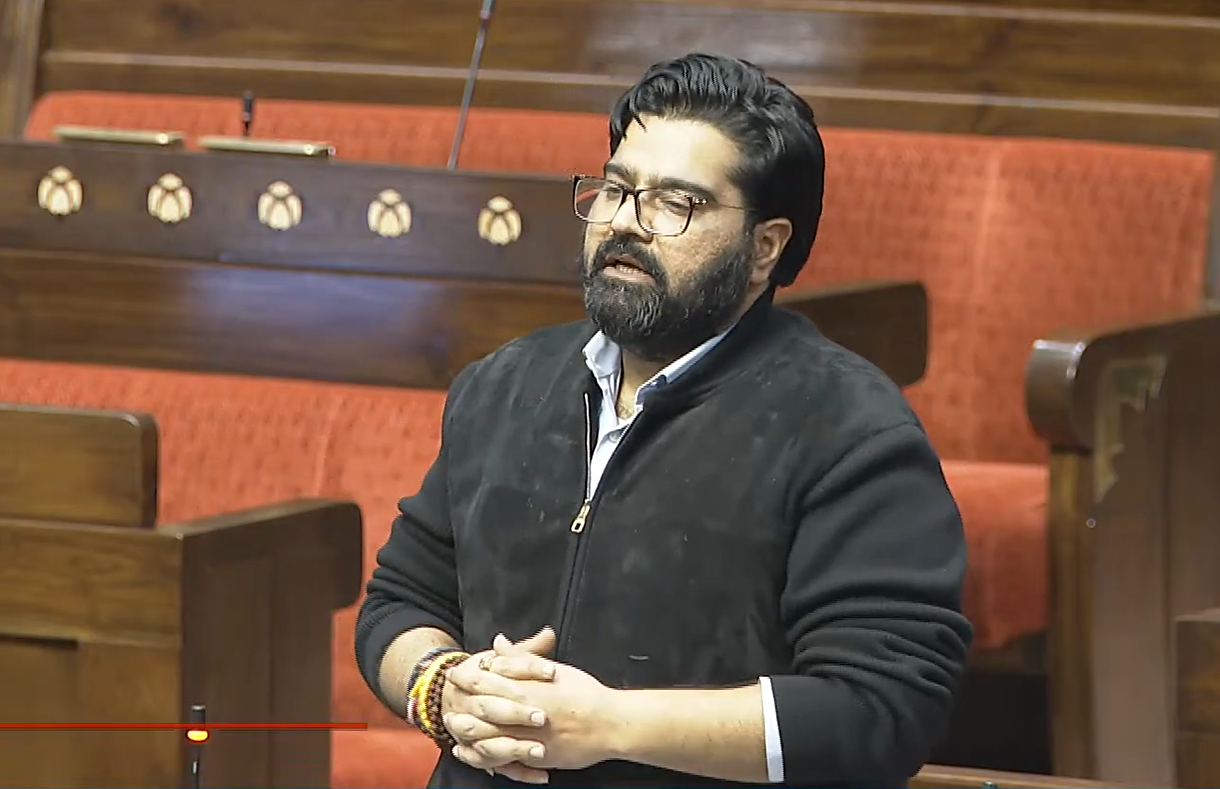
राज्यसभा में एक महत्वपूर्ण हस्तक्षेप के दौरान राज्यसभा सांसद श्री कार्तिकेय शर्मा ने SHANTI विधेयक, 2025 (सस्टेनेबल हार्नेसिंग एंड एडवांसमेंट ऑफ न्यूक्लियर एनर्जी फॉर ट्रांसफॉर्मिंग इंडिया) के पक्ष में एक सशक्त और सुव्यवस्थित पक्ष रखा। उन्होंने इसे भारत की ऊर्जा यात्रा में एक निर्णायक क्षण बताते हुए कहा कि यह विधेयक लंबे समय से चली आ रही हिचकिचाहट से आगे बढ़कर ठोस क्रियान्वयन की दिशा में देश का स्पष्ट कदम है।
बहस के दौरान श्री कार्तिकेय शर्मा ने भारत की ऊर्जा संरचना में मौजूद एक गंभीर असंतुलन की ओर ध्यान दिलाया। उन्होंने कहा कि भारत दुनिया का तीसरा सबसे बड़ा ऊर्जा उपभोक्ता है, लेकिन देश के कुल ऊर्जा मिश्रण में परमाणु ऊर्जा की हिस्सेदारी मात्र 1.7 प्रतिशत है। यह स्थिति फ्रांस, अमेरिका और चीन जैसे देशों से बिल्कुल विपरीत है, जहां परमाणु ऊर्जा औद्योगिक विकास और दीर्घकालिक आर्थिक स्थिरता की रीढ़ है। उन्होंने स्पष्ट किया कि यह अंतर वैज्ञानिक या तकनीकी अक्षमता के कारण नहीं, बल्कि नीतिगत जड़ता, निर्णयों में देरी और दशकों तक टाले गए सुधारों का परिणाम है।
ऐतिहासिक संदर्भ में बात रखते हुए श्री कार्तिकेय शर्मा ने डॉ. होमी भाभा के तीन-स्तरीय परमाणु दृष्टिकोण का उल्लेख किया, जो थोरियम आधारित और दीर्घकालिक ऊर्जा आत्मनिर्भरता पर आधारित था। उन्होंने कहा कि दृष्टि तो दूरदर्शी और सुदृढ़ थी, लेकिन इसके क्रियान्वयन में लंबे समय तक अत्यधिक केंद्रीकरण हावी रहा। महत्वपूर्ण परियोजनाओं में बार-बार देरी हुई, समय-सीमाएं खिंचती चली गईं और भारत की बढ़ती ऊर्जा आवश्यकताओं के अनुरूप परमाणु क्षमता का विस्तार नहीं हो सका।
इसी संरचनात्मक ठहराव को दूर करने के लिए SHANTI विधेयक लाया गया है। अपने वक्तव्य में श्री कार्तिकेय शर्मा ने कहा कि यह विधेयक अत्यधिक केंद्रीकरण को समाप्त करता है और परमाणु क्षेत्र को नियंत्रित निजी भागीदारी के लिए खोलता है, जबकि सुरक्षा, नियमन और राष्ट्रीय सुरक्षा पर राज्य का नियंत्रण पूरी तरह बना रहता है। इसका उद्देश्य परमाणु परियोजनाओं में पूंजी, जवाबदेही और पूर्वानुमेयता लाना है, बिना संप्रभु नियंत्रण से समझौता किए।
बहस के दौरान उठाए गए विषय पूर्व में शून्यकाल के दौरान संसद में किए गए हस्तक्षेपों के अनुरूप भी हैं, जहां अन्य रणनीतिक क्षेत्रों की तरह परमाणु क्षेत्र में भी संरचनात्मक सुधारों की आवश्यकता पर बल दिया गया था। SHANTI विधेयक अब उस सुधारोन्मुख दृष्टिकोण को विधायी स्वरूप प्रदान करता है।
अपने संबोधन में श्री कार्तिकेय शर्मा ने रणनीतिक यथार्थवाद पर विशेष जोर दिया। उन्होंने कहा कि 2047 तक 100 गीगावॉट परमाणु क्षमता का राष्ट्रीय लक्ष्य ऊर्जा सुरक्षा, स्वच्छ विकास और आर्थिक मजबूती के लिए अनिवार्य है। लेकिन लगभग ₹20 लाख करोड़ के अनुमानित निवेश की आवश्यकता को केवल सार्वजनिक वित्त पोषण के माध्यम से पूरा करना संभव नहीं है। यह विधेयक इस वास्तविकता को स्वीकार करता है और निजी पूंजी को राष्ट्रीय ऊर्जा लक्ष्यों की प्राप्ति में सहभागी बनाता है।
भविष्य की ओर देखते हुए श्री कार्तिकेय शर्मा ने स्मॉल मॉड्यूलर रिएक्टर्स (SMRs) को भारत की भावी ऊर्जा संरचना का एक महत्वपूर्ण स्तंभ बताया। उन्होंने कहा कि SMRs डेटा सेंटर्स, स्मार्ट सिटीज़ और औद्योगिक क्षेत्रों को स्थिर और समर्पित बिजली प्रदान कर सकते हैं, जिससे वे डिजिटल इंडिया की हरित बैटरी के रूप में कार्य करेंगे। उन्होंने यह भी उल्लेख किया कि वैश्विक स्तर पर SMRs को पोर्टेबल तैनाती के लिए भी विकसित किया गया है, जिनमें फ्लोटिंग प्लेटफॉर्म और समुद्री आधारित प्रणालियाँ शामिल हैं, जहां 50 से 100 मेगावॉट की इकाइयाँ उन क्षेत्रों में लगाई जा सकती हैं, जहां पारंपरिक बिजली उत्पादन संभव नहीं है। इससे दूरदराज़, औद्योगिक और रणनीतिक क्षेत्रों में नई संभावनाएं खुलती हैं।
सुरक्षा के मुद्दे पर श्री कार्तिकेय शर्मा ने भय-आधारित विमर्श से सावधान रहने की बात कही। उन्होंने कहा कि परमाणु ऊर्जा पर चर्चा आशंका नहीं, बल्कि तथ्यों पर आधारित होनी चाहिए। उन्होंने बताया कि विधेयक का क्लॉज 17, परमाणु ऊर्जा नियामक बोर्ड (AERB) के वैधानिक अधिकारों को और सशक्त करता है तथा सार्वजनिक और निजी, दोनों प्रकार के रिएक्टरों पर निरंतर निगरानी सुनिश्चित करता है। इस संदर्भ में उन्होंने कहा कि जब सुधार विज्ञान, नियमन और जिम्मेदारी पर आधारित हों, तो “डर के आगे जीत है”।
राष्ट्रीय परिप्रेक्ष्य में बात रखते हुए श्री कार्तिकेय शर्मा ने कहा कि भारत के पास सदैव परमाणु दृष्टि रही है—महर्षि कणाद के परमाणु सिद्धांत से लेकर डॉ. होमी भाभा के रोडमैप तक। कमी केवल ऐसी शासन व्यवस्था की थी, जो समयबद्ध और अनुशासित क्रियान्वयन सुनिश्चित कर सके। उन्होंने कहा कि यह ढांचा अब प्रधानमंत्री श्री नरेंद्र मोदी के दूरदर्शी नेतृत्व में आकार ले रहा है, जिसने सुधार, प्रणाली निर्माण और दीर्घकालिक राष्ट्रीय हित को प्राथमिकता दी है।
अपने संबोधन के अंत में श्री कार्तिकेय शर्मा ने कहा कि भारत अब देरी और संदेह के दौर से आगे निकल चुका है। SHANTI विधेयक के साथ अब महत्वाकांक्षा और कार्रवाई एक-दूसरे के साथ खड़ी हैं।
यही है विकसित भारत को ऊर्जा प्रदान करने का मार्ग।
————————————————————————-
India at an Inflection Point: MP Kartikeya Sharma Calls SHANTI Bill the Foundation of a Nuclear Renaissance and Energy Sovereignty

New Delhi | December 2025
In a significant intervention in the Rajya Sabha, Shri Kartikeya Sharma, Member of Parliament (Rajya Sabha), articulated a strong and structured case for the SHANTI Bill, 2025 (Sustainable Harnessing and Advancement of Nuclear Energy for Transforming India), positioning it as a defining moment in India’s energy journey and a decisive shift from prolonged hesitation to purposeful execution.
Speaking during the debate, Shri Kartikeya Sharma drew attention to a stark imbalance in India’s energy profile. While India is the world’s third-largest energy consumer, nuclear power contributes barely 1.7 percent to the national energy mix. This, he noted, stands in sharp contrast to countries such as France, the United States, and China, where nuclear energy underpins industrial growth and long-term economic stability. The gap, he argued, is not the result of scientific or technological inadequacy, but of policy paralysis, delayed decision-making, and reforms postponed for decades.
Placing the discussion in historical context, Shri Kartikeya Sharma referred to Dr Homi Bhabha’s three-stage nuclear vision, rooted in thorium and long-term energy independence. While the vision itself was ambitious and forward-looking, its execution suffered from prolonged over-centralisation. Critical projects faced repeated delays, timelines stretched well beyond original intent, and nuclear capacity failed to scale in proportion to India’s rapidly growing energy demand.
It is this structural stagnation that the SHANTI Bill seeks to address. As outlined in the speech, the Bill dismantles excessive centralisation and opens the nuclear sector to regulated private participation, while keeping safety, regulation, and national security firmly under state oversight. The objective is to introduce capital, accountability, and predictability into nuclear project execution without compromising sovereign control.
The themes articulated during the debate also align with earlier parliamentary interventions made during Zero Hour, where the need for structural reforms in the nuclear sector, comparable to reforms undertaken in other strategic domains, was raised. The SHANTI Bill now provides the legislative framework to operationalise that reform-oriented approach.
A central emphasis of the address was strategic realism. The national target of achieving 100 GW of nuclear capacity by 2047 is essential for energy security, clean growth, and economic resilience. However, with an estimated investment requirement of nearly ₹20 lakh crore, the scale of expansion cannot be supported by public funding alone. The Bill acknowledges this constraint and enables private capital to participate in meeting national energy goals.

Looking ahead, Shri Kartikeya Sharma highlighted Small Modular Reactors (SMRs) as a defining pillar of India’s future energy architecture. SMRs can provide steady, captive power to data centres, smart cities, and industrial zones, effectively acting as the green battery for Digital India. He further noted that globally, SMRs have been designed for portable deployment, including floating platforms and marine-based installations, where 50 to 100 megawatt units can be deployed in regions where conventional power generation is not feasible, opening new possibilities for remote, industrial, and strategic applications.
On safety, Shri Kartikeya Sharma cautioned against fear-driven narratives. Emphasising that nuclear discourse must be grounded in facts rather than apprehension, he underlined that the Bill strengthens regulatory oversight through Clause 17, which reinforces the statutory authority of the Atomic Energy Regulatory Board (AERB) and mandates continuous supervision for all reactors, public or private. In this context, he observed that progress in nuclear energy requires the confidence to move forward, remarking that darr ke aage jeet hai when reform is anchored in science, regulation, and responsibility.
Placing the moment in a broader national context, Shri Kartikeya Sharma noted that India has always possessed nuclear vision, from Maharishi Kanad’s understanding of the atom to Dr Homi Bhabha’s roadmap. What was missing was a governance framework capable of timely and disciplined delivery. That framework, he stated, is now taking shape under the visionary leadership of Prime Minister Shri Narendra Modi, which has prioritised reform, system-building, and long-term national interest.
Concluding his address, Shri Kartikeya Sharma stated that India has moved beyond the era of delay and doubt. With the SHANTI Bill, ambition is finally aligned with action.
This, he said, is how Viksit Bharat is powered.